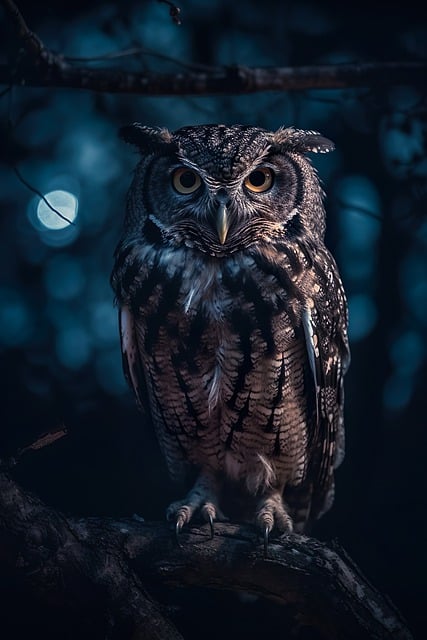





# The Evolution of AI Art: Exploring How Technology is Redefining Visual Expression and Aesthetics
The intersection of art and technology has long been a fertile ground for innovation, and in recent years, artificial intelligence (AI) has emerged as a transformative force in the realm of visual expression. As algorithms become increasingly sophisticated, they are reshaping not only the creation of art but also our understanding of aesthetics and authorship. This article delves into the evolution of AI art, examining its historical context, current applications, and potential future implications.
## A Historical Context: From Concept to Creation
To appreciate the significance of AI in art, it is essential to understand its historical roots. The journey began in the mid-20th century when early computer-generated art emerged. Pioneers like Frieder Nake and Harold Cohen utilized algorithms to create visual works, laying the groundwork for future explorations. Their efforts demonstrated that computers could be more than mere tools; they could also serve as creative partners, capable of generating unique artistic expressions.
Interestingly, as technology advanced, so did the complexity of AI systems. The advent of machine learning in the 1980s and 1990s allowed computers to learn from data rather than simply following pre-programmed instructions. This shift enabled the development of generative adversarial networks (GANs) in the 2010s, a breakthrough that revolutionized the field of AI art. GANs consist of two neural networks—one generating images and the other evaluating them—creating a feedback loop that produces increasingly sophisticated visual outputs.
Moreover, the rise of digital art platforms and social media has facilitated the dissemination of AI-generated works. Artists and technologists now share their creations with a global audience, fostering a community that celebrates innovation in visual arts. This democratization of art has led to new forms of collaboration, where human artists and AI coexist and create together, challenging traditional notions of authorship and originality.
## Current Applications: Bridging Creativity and Technology
In contemporary art, AI has found numerous applications that blur the lines between human creativity and machine-generated content. Artists are increasingly employing AI tools to enhance their creative processes, from generating ideas to producing final works. Programs like DeepArt and Runway ML allow users to apply different artistic styles to their images, enabling a seamless fusion of human intuition and machine learning.
A prominent example of AI’s impact on visual art is the use of style transfer techniques, where an AI model learns the characteristics of a particular artist’s style and applies it to new images. This method not only enriches the creative possibilities for artists but also raises questions about the authenticity of artistic expression. Are these AI-generated works simply imitations, or do they possess their own intrinsic value?
In addition to individual artists, institutions and galleries are beginning to embrace AI art. Exhibitions dedicated to AI-generated works have emerged, showcasing the capabilities of algorithms to create compelling and thought-provoking pieces. The sale of AI-generated art at auction houses, such as Christie’s selling of the portrait “Edmond de Belamy,” has further solidified AI’s place in the contemporary art world. Such events challenge traditional perceptions of what constitutes art and who can be considered an artist.
## Future Implications: Redefining Aesthetics and Authorship
Looking ahead, the implications of AI in the art world are profound. As technology continues to evolve, it is likely that AI will play an even more significant role in shaping aesthetics and redefining artistic practices. The potential for real-time collaboration between humans and AI could lead to entirely new genres of art, where the creative process is a dynamic interplay between man and machine.
Furthermore, the question of authorship looms large in discussions about AI art. If an AI generates a piece of art, who owns the rights to that work? Is it the programmer, the user, or the machine itself? Legal frameworks are struggling to keep pace with technological advancements, and as AI becomes more integrated into the creative process, these questions will necessitate careful consideration and potentially new legislation.
Moreover, the ethical implications of AI in art cannot be overlooked. As algorithms are trained on vast datasets, concerns regarding bias and representation arise. The risk of perpetuating stereotypes or excluding marginalized voices is a pressing issue that artists and technologists must address. Collaborative efforts to create more inclusive datasets and algorithms can help mitigate these risks, ensuring that AI serves as a tool for empowerment rather than exclusion.
In conclusion, the evolution of AI art represents a significant shift in the landscape of visual expression and aesthetics. By bridging the gap between technology and creativity, AI is redefining what it means to be an artist and challenging our understanding of authorship. As we move forward, embracing the potential of AI while remaining vigilant about its implications will be crucial in shaping a future where art continues to thrive in harmony with technology. The journey of AI art is just beginning, and its possibilities are as vast as the imagination itself.